
If you have been researching the Medium-term Stream of the Subclass 482 visa (the old Temporary Skill Shortage or TSS 482 visa), you have probably also seen references to the new Skills in Demand (SID) visa subclass 482. The terminology has changed, but the core idea is similar: employers in Australia can sponsor overseas workers for genuine skilled roles.
As of 2026, the former TSS 482 medium-term stream has effectively been folded into the Skills in Demand (SID) visa framework. Many applicants and employers in Sydney and Melbourne still search using “482 medium-term stream”, so this guide explains what that means today, who it is for, and how the application process works.
This article is general information only. Visa rules change regularly, and outcomes depend on your circumstances. Always check the latest details on the Department of Home Affairs website and seek tailored advice from a MARA-registered migration agent before you apply.
Quick Update: Medium-term Stream vs Skills in Demand (SID) Visa
From 7 December 2024, the Government began phasing out the old Temporary Skill Shortage (TSS) 482 visa and introducing the Skills in Demand (SID) visa subclass 482.
Under this new structure:
- The previous short‑term, medium‑term and labour agreement streams are being replaced by SID streams such as the Core Skills stream and Specialist Skills stream.
- The Core Skills Occupation List (CSOL) now guides which occupations can be sponsored under the Core Skills stream.
- Many of the roles that would historically have fallen under the “medium‑term” concept longer stay in Australia, and clearer pathways to permanent residency now sit inside the Core Skills or Specialist Skills streams of the SID visa.
In practice, this means that when people talk about the “482 medium-term stream” in 2026, they are usually referring to SID subclass 482 sponsorship in an occupation and stream that mirrors the old medium‑term settings.
Who the 482 Medium-term Stream / SID Visa Is For
In 2026, a 482/SID-style medium‑term pathway is generally designed for:
- Skilled workers in occupations on the Core Skills Occupation List or other approved lists for the relevant SID stream.
- Applicants with at least 12 months of relevant work experience in their occupation (under current SID settings, the minimum experience requirement has been reduced compared with the old TSS rules).
- Workers who have a genuine, full‑time job offer from an approved Australian employer at or above the required salary thresholds.
Typical profiles include:
- Professionals and trades on Australia’s long‑term skills lists (for example, engineers, ICT professionals, health and construction roles).
- Employers in Sydney or Melbourne who cannot fill a role from the local labour market and need to bring in talent under the SID/482 framework.
Again, whether you personally qualify depends on your occupation, salary, background and the stream your role fits into.
Eligibility & Requirements (As of 2026)
Use this section as a high‑level checklist only. The exact criteria will depend on the SID stream and your individual situation.
Occupation and skills
- Your occupation must usually appear on an approved skilled occupation list, such as the Core Skills Occupation List (CSOL) for the Core Skills stream.
- You must have the skills, qualifications and work experience to perform the role, often supported by a skills assessment from the relevant assessing authority where required.
Work experience
- Under the SID visa settings, many applicants need at least 12 months of relevant full‑time work experience in their nominated occupation or a closely related field.
- Some occupations, or transitional TSS 482 cases, may still be assessed under different experience rules.
English language ability
- Unless exempt, you will need to prove sufficient English via an approved test (such as IELTS, PTE Academic or TOEFL iBT). The exact scores depend on the stream and your passport.
- As of 2026, the Department publishes minimum English thresholds for the SID visa on its website.
Health and character
- You and any accompanying family members must meet health and character requirements, which can include medical examinations and police clearances.
- You must hold or arrange appropriate health insurance while in Australia.
Employer sponsorship and nomination
- Your employer must become an approved sponsor or use an existing approval.
- They must nominate you for a genuine position and usually show that the role meets salary benchmarks such as the Temporary Skilled Migration Income Threshold (TSMIT) and the Annual Market Salary Rate (AMSR).
- Employers must also comply with ongoing sponsorship obligations, including record‑keeping and ensuring terms and conditions for overseas workers are no less favourable than for local staff.
Step-by-Step How to Apply for the 482 Medium-term Stream / SID Visa
Below is a simplified outline of the process. Not every case follows exactly the same order, and additional steps can apply.
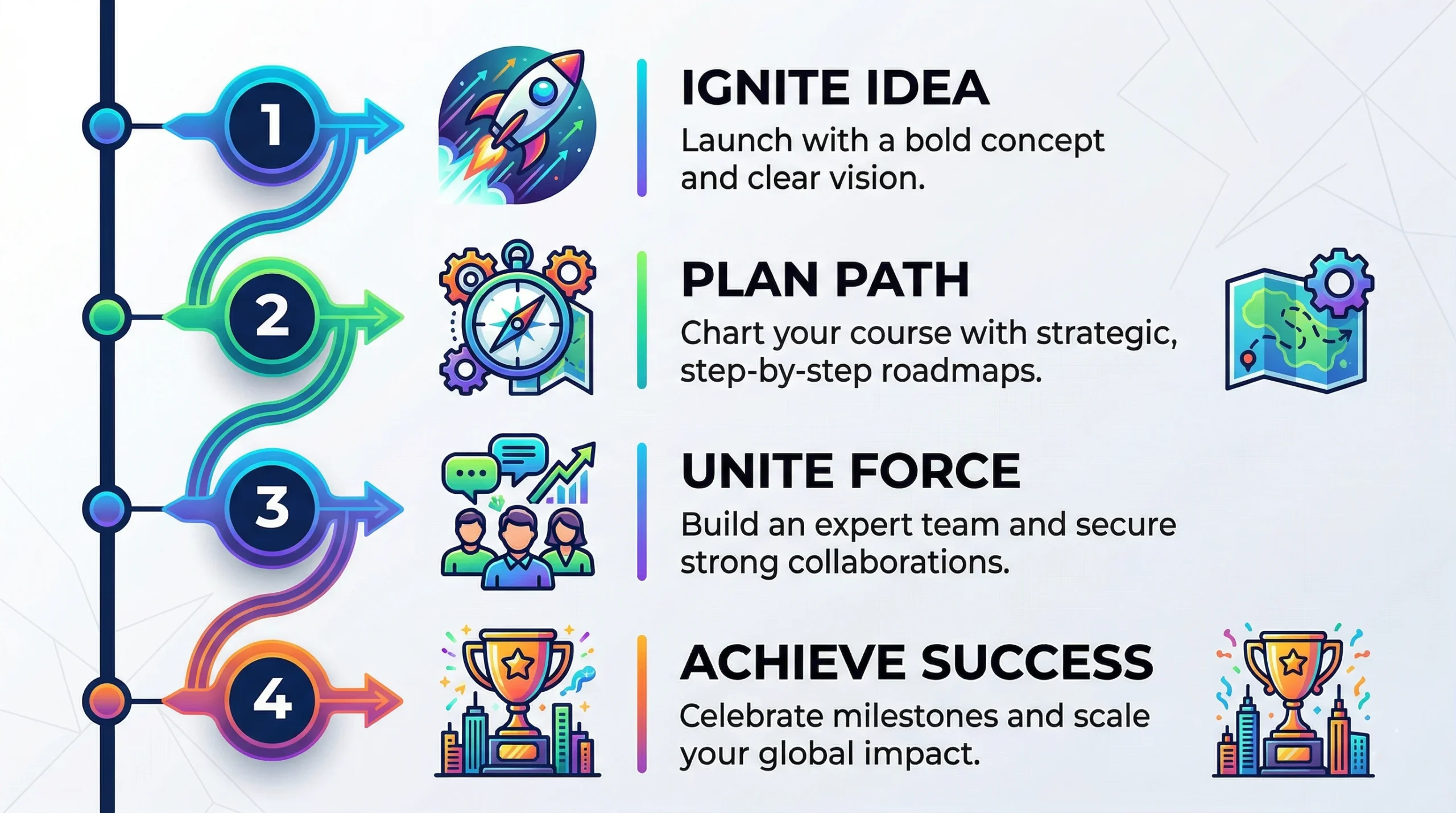
Step 1: Employer becomes an approved sponsor
Your Australian employer must first apply to become an approved standard business sponsor (unless they already hold this approval). They need to show they are lawfully operating, financially sound and committed to meeting sponsorship obligations.
If you are an employer in Sydney or Melbourne considering this step, you may wish to seek advice before lodging to avoid delays.
Step 2: Employer lodges a nomination
Once sponsorship is in place, the employer submits a nomination application for your role. This usually involves:
- Select the correct occupation code on the relevant occupation list.
- Demonstrating that the position is genuine and needed on an ongoing basis.
- Showing the offered salary meets TSMIT and AMSR requirements.
- Providing any required Labour Market Testing (LMT) evidence.
For a deeper overview of how nominations work, you can also refer to The Migration’s dedicated Subclass 482 Skills in Demand (SID) visa service page.
Step 3: You lodge your visa application online
After the nomination is lodged (and ideally once there is a clear strategy in place), you submit your SID subclass 482 visa application online. You will need to upload supporting evidence such as:
- Identity documents and passports.
- Skills assessments and qualifications (where required).
- Evidence of work experience.
- English language test results (if applicable).
- Health insurance details and police checks.
Step 4: Health, character and biometrics
During or after lodgement, the Department may ask you to undertake:
- Medical examinations and/or chest X-rays.
- Provide police clearances for countries where you have lived.
- Attend a biometrics collection appointment.
As of 2026, decision-ready SID applications can move relatively quickly. Government publications indicate median processing times of around 7 business days for the Specialist Skills stream and 21 business days for the Core Skills stream for decision-ready cases, although individual applications can take longer.
Costs and Processing Times (As of 2026)
The total cost of a 482 medium-term/SID pathway will depend on your family composition, occupation and whether you engage a migration agent.
Government charges
- The base visa application charge for a primary SID (subclass 482) applicant is typically AUD 3,210.00.
- Additional government charges apply for adult and child dependants.
- Other mandatory costs can include health checks, English language tests and police clearances.
| Fee Category | Amount |
| Base Application Charge | AUD 3,210.00 |
| Additional Applicant Charge (18 and Over) | AUD 3,210.00 |
| Additional Applicant Charge (Under 18) | AUD 805.00 |
| Non-Internet Application Charge | N/A |
| Subsequent Temporary Application Charge | AUD 700.00 |
Because fees are updated regularly, you should always confirm the latest figures on the Department of Home Affairs fees and charges page before you lodge.
Typical processing time ranges
As of early 2026, Home Affairs guidance suggests that many decision-ready SID visa applications fall within the following broad timeframes:
Expert Australian Migration Guidance
Navigating the complexities of your visa journey is easier with professionals. Start your Australian dream today.
Book Consultation- Specialist Skills stream: median around 7 business days.
- Core Skills stream: median around 21 business days.
However, processing can be faster or slower depending on your stream, occupation, whether information is missing, security checks, changes in policy or demand.
Reference: Visa Processing Time
Pathway to Permanent Residency
One of the biggest questions for anyone looking at the 482 medium‑term stream or SID visa is whether it can lead to permanent residency (PR).
In many cases, qualifying employment on a suitable SID stream may open a pathway to PR through the Employer Nomination Scheme (ENS) Subclass 186 or other permanent skilled visas.
Key ideas to understand:
- You generally need to work for your sponsoring employer in the nominated occupation for a minimum period (for example, two to three years, depending on the policy settings at the time and whether you are covered by transitional measures).
- The sponsoring business must be willing and eligible to nominate you for PR.
- You must continue to meet age, English, skills, health and character criteria at the PR stage.
PR pathways often get personalised advice based on your 482/TSS visa history before lodging.
Common Issues, Refusals and When to Seek Help
Many 482 medium‑term/SID applications become complicated for reasons that could often have been managed earlier. Common issues include:
- Incorrect occupation choice on the nomination, leading to skills assessment or PR pathway problems.
- Salary below TSMIT or AMSR, or poorly evidenced market rates.
- Insufficient work experience or missing documents to prove employment history.
- Inconsistent information between forms, reference letters and skills assessments.
- Changes with the sponsoring employer, such as restructuring, sale of business, or the role no longer being available.
If you are an employer in Sydney or Melbourne, or a skilled worker considering a 482/SID option, it is usually worth speaking to a professional when:
- You are unsure whether your occupation fits the SID streams or the Core Skills Occupation List.
- You want to understand how a 482/SID role might connect to a future PR strategy.
- Your previous visa or nomination has been refused, withdrawn or is taking longer than expected.
At The Migration, our team works with both sponsors and applicants to design a pathway that aligns with current policy settings and avoids common pitfalls.
Conclusion
The Medium-term Stream (Subclass 482) language still appears across search results in 2026, but new applications are now assessed under the Skills in Demand (SID) visa subclass 482 structure. The underlying goals remain similar: allowing approved Australian employers to sponsor genuinely skilled workers in roles they cannot fill locally.
If you understand how your occupation, salary and experience fit into the SID streams and how this might link to permanent residency, you are in a much stronger position to make good decisions.
If you are a business in Sydney or Melbourne looking to sponsor staff, or a skilled worker exploring 482/SID options, consider getting tailored advice before you lodge. Migration settings are changing quickly, and an early strategy can save time, money and stress.
Ready to talk through your options? You can learn more about the visa on our Subclass 482 employer-sponsored visa – Skills in Demand page or book a consultation with a registered migration agent in Sydney or Melbourne for personalised guidance.